World Brand

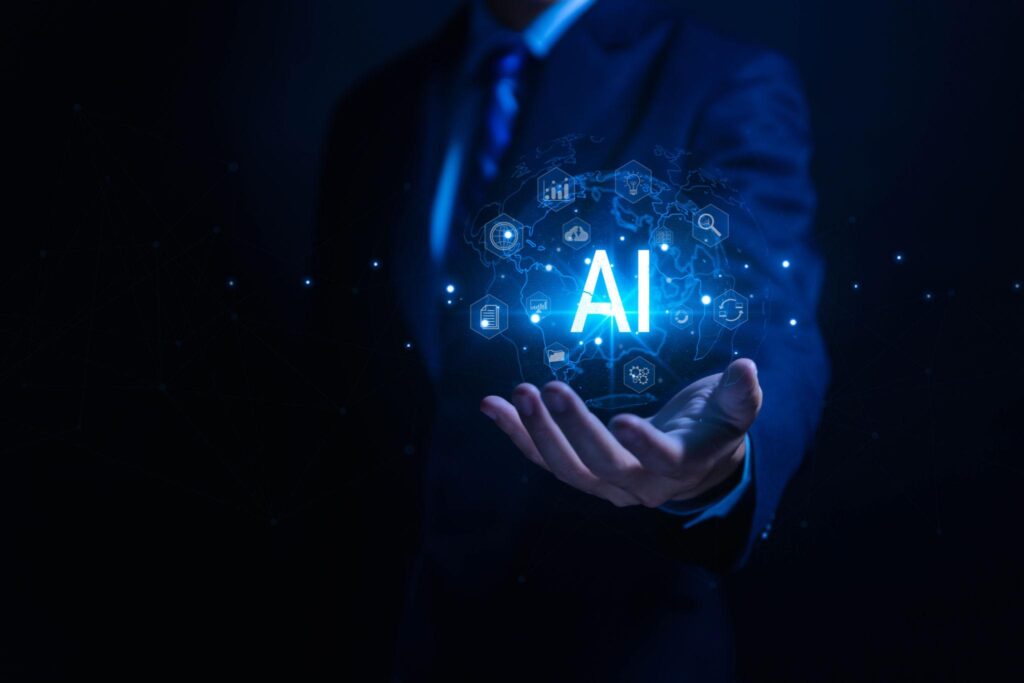
The AI and the Future of the Global Economy (2026) report analyzes how artificial intelligence is reshaping industries, driving innovation, and redefining global economic structures in an increasingly competitive world.
Introduction
Artificial intelligence is rapidly transforming the global economy. From automation and data analysis to decision-making and innovation, AI is becoming a central force reshaping industries, markets, and competitive dynamics.
The AI and the Future of the Global Economy (2026) report explores how AI is redefining economic structures, accelerating productivity, and creating new opportunities across the world.
The Role of AI in Economic Transformation
1. Productivity and Efficiency
AI technologies are significantly improving operational efficiency across industries. Automation reduces costs, enhances accuracy, and enables businesses to scale more effectively.
2. Innovation Acceleration
AI is driving innovation by enabling faster research, advanced simulations, and intelligent product development. Companies leveraging AI are gaining a decisive competitive advantage.
3. Data as a Strategic Asset
Data has become one of the most valuable resources in the global economy. AI systems transform data into actionable insights, supporting better decision-making at every level.
Key AI-Driven Sectors
| Sector | Impact of AI |
|---|---|
| Technology | AI platforms, cloud computing, automation |
| Healthcare | Diagnostics, drug discovery, personalized care |
| Finance | Risk analysis, algorithmic trading, fintech |
| Manufacturing | Smart factories, predictive maintenance |
| Retail & E-commerce | Personalization, demand forecasting |
| Transportation | Autonomous systems, logistics optimization |
Global Competition in AI
United States
Leads in AI innovation, driven by strong research institutions, capital investment, and technology companies.
China
Rapidly advancing in AI adoption and large-scale implementation, supported by data availability and industrial integration.
Europe
Focuses on ethical AI, regulation, and sustainable technological development.
Key Insights
1. AI is Reshaping Global Power Structures
Countries and companies that lead in AI are gaining economic and strategic advantages.
2. Talent Becomes the Core Resource
The competition for AI talent is intensifying, making human capital a critical factor in economic success.
3. AI Drives Industry Convergence
Traditional industry boundaries are becoming blurred as AI integrates across sectors.
4. Ethical and Regulatory Challenges
As AI expands, governance, privacy, and ethical considerations are becoming increasingly important.
Strategic Implications
For businesses, integrating AI into core operations is essential for long-term competitiveness.
For investors, AI-related sectors offer significant growth opportunities.
For governments, developing AI strategies and regulatory frameworks is critical to maintaining global competitiveness.
Conclusion
AI is not just a technological advancement—it is a fundamental driver of the future global economy. As its influence continues to expand, understanding and leveraging AI will be essential for success in an increasingly competitive world.