World Brand

The Future of Global Economy (2030) delivers a forward-looking analysis of global economic transformation, examining key trends, emerging forces, and strategic dynamics that will define growth and competition in the coming decade.
Introduction
The global economy is undergoing a profound transformation. Technological breakthroughs, shifting geopolitical dynamics, and evolving economic structures are reshaping the way nations and markets interact.
The Future of Global Economy (2030) explores long-term trends and strategic directions that will define global economic development over the next decade.
Key Drivers of Future Economic Growth
1. Technological Advancement
Artificial intelligence, automation, and digital infrastructure will continue to drive productivity and reshape industries.
2. Global Power Shifts
Emerging economies are gaining influence, leading to a more multi-polar global economic system.
3. Capital and Investment Transformation
Global capital flows are increasingly directed toward innovation, sustainability, and digital economies.
4. Demographic Changes
Population shifts, aging societies, and urbanization are influencing labor markets and economic structures.
Major Economic Trends Toward 2030
1. Digital Economy Dominance
Digital platforms, fintech, and online ecosystems will become central to global economic activity.
2. Sustainability as a Core Strategy
Environmental and sustainability factors will play a central role in economic decision-making.
3. Regional Economic Blocs
Regional alliances and trade networks will shape global economic flows.
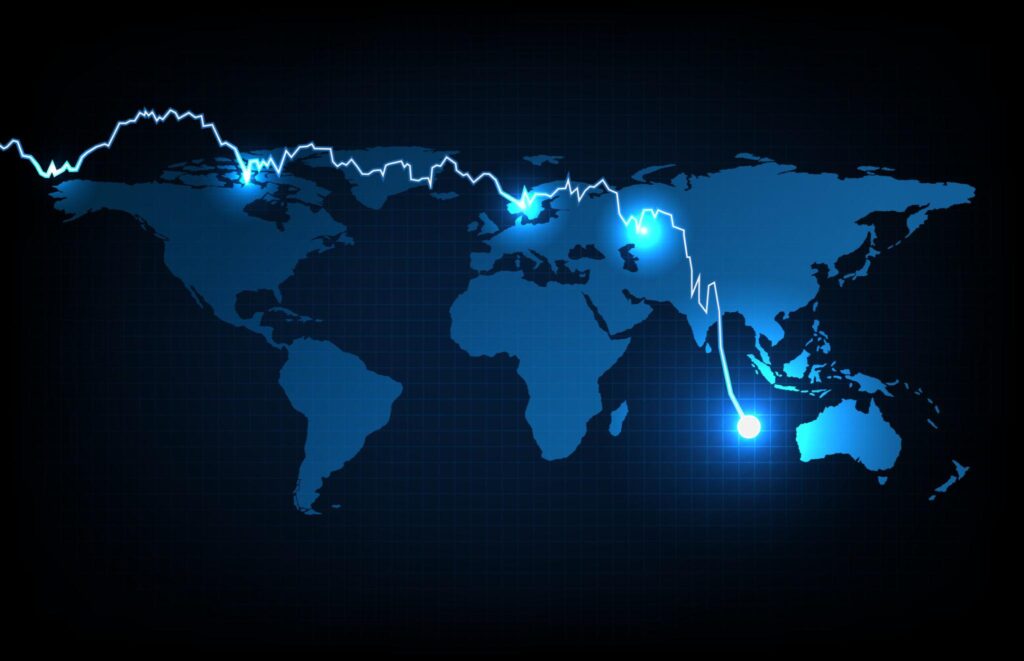
4. Increased Economic Volatility
Global markets will experience higher levels of uncertainty and rapid change.
Global Economic Landscape
North America
Remains a leader in technology, finance, and innovation-driven growth.
Europe
Focuses on sustainability, regulatory leadership, and long-term economic stability.
Asia-Pacific
Becomes the primary engine of global economic expansion.
Middle East
Continues to diversify and invest in infrastructure and global positioning.
Key Insights
1. The Economy Becomes More Technology-Driven
Technology will be the central driver of global competitiveness.
2. Global Competition Intensifies
Countries and regions will compete more aggressively for capital, talent, and innovation.
3. Interdependence Continues
Despite geopolitical tensions, global economies remain interconnected.
4. Strategic Adaptation is Critical
Organizations must adapt quickly to shifting economic conditions.
Strategic Implications
For governments, long-term strategic planning is essential.
For businesses, innovation and global expansion are key priorities.
For investors, identifying structural trends is critical for long-term success.
Conclusion
The global economy in 2030 will be defined by transformation, competition, and opportunity. Those who can anticipate change and adapt strategically will lead in the future global landscape.