World Brand

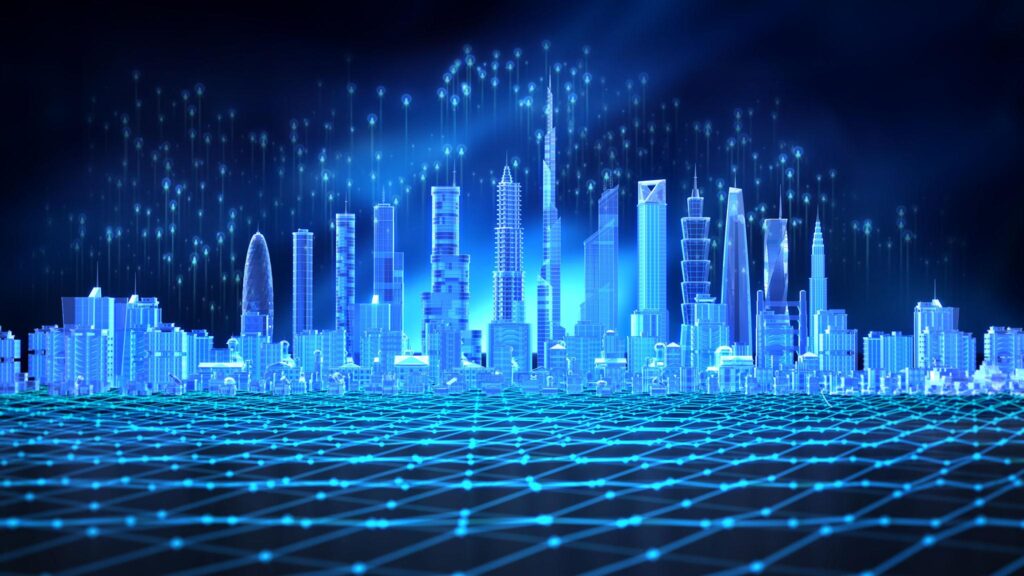
The Future of Global Cities: Trends and Predictions for 2030 provides a strategic analysis of emerging urban trends, highlighting how digital transformation, sustainability, and innovation will shape the next generation of global cities.
Introduction
Cities are at the center of global transformation. As urban populations continue to grow and technology advances rapidly, cities are evolving into complex systems that drive economic growth, innovation, and social change.
The Future of Global Cities: Trends and Predictions for 2030 explores how urban environments will transform over the next decade and what this means for governments, businesses, and citizens.

Key Trends Shaping Global Cities
1. Smart City Development
Cities are becoming increasingly intelligent through the integration of data, sensors, and digital infrastructure. Smart technologies are improving efficiency, mobility, and public services.
2. Digital Infrastructure Expansion
High-speed connectivity, cloud computing, and data platforms are becoming essential components of urban development.
3. Sustainability and Green Urban Planning
Environmental challenges are driving cities to adopt sustainable solutions, including renewable energy, green buildings, and low-carbon transportation systems.
4. Urban Mobility Transformation
Electric vehicles, autonomous transportation, and shared mobility services are redefining how people move within cities.
Emerging Urban Models
Smart Cities
Cities leveraging technology to optimize resources and improve quality of life.
Resilient Cities
Urban areas designed to withstand environmental, economic, and social shocks.
Innovation Hubs
Cities attracting talent, startups, and investment, becoming centers of global innovation.
Sustainable Cities
Urban environments focused on long-term ecological balance and energy efficiency.
Global City Landscape in 2030
North America
Continues to lead in innovation, smart infrastructure, and digital economy development.
Europe
Advances in sustainability, urban planning, and environmental policy.
Asia-Pacific
Rapid urban expansion and technological integration make it the fastest-evolving region.
Middle East
Emerges as a leader in futuristic urban development and mega-city projects.
Key Insights
1. Cities as Economic Powerhouses
Cities will increasingly outperform national economies in driving global growth.
2. Technology Defines Urban Competitiveness
The level of technological integration will determine a city’s global ranking.
3. Sustainability is No Longer Optional
Environmental performance will become a baseline requirement for global cities.
4. Talent Attraction is Critical
Cities that attract and retain talent will lead in innovation and economic growth.
Strategic Implications
For governments, investing in infrastructure, technology, and sustainability is essential.
For businesses, cities offer opportunities for expansion, innovation, and market access.
For investors, urban development remains one of the most promising long-term opportunities.
Conclusion
By 2030, cities will become more intelligent, sustainable, and interconnected. Their ability to adapt to change and leverage innovation will determine their position in the global landscape.