 World Brand

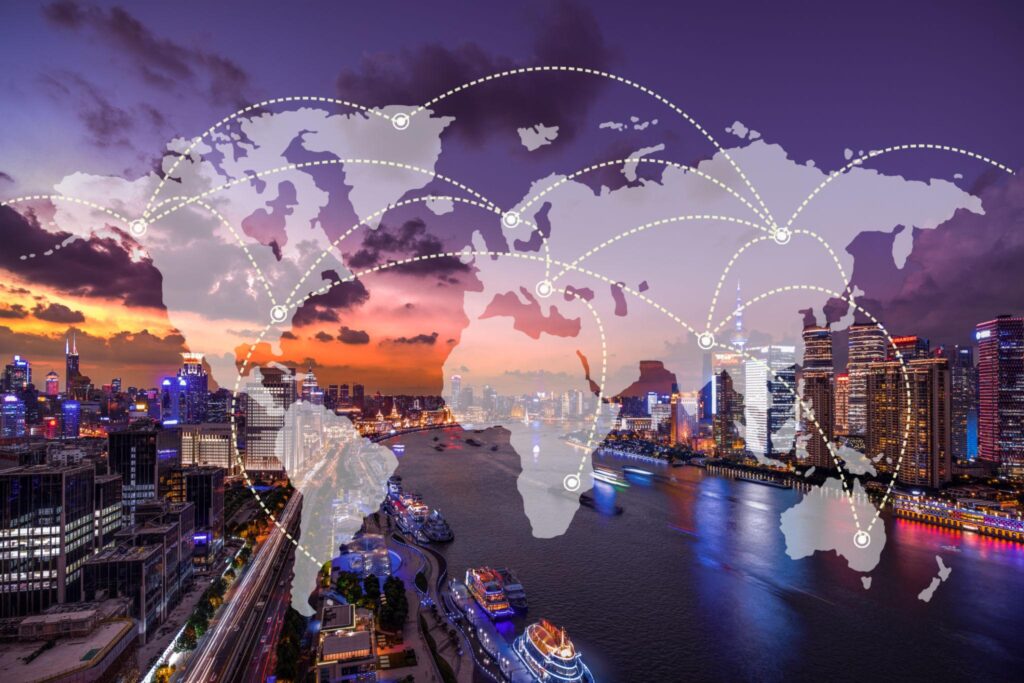
This report presents the 2026 Global City Competitiveness Ranking, evaluating the world’s leading cities based on innovation, economic strength, sustainability, and global influence. It highlights how major urban centers are shaping the future of global development and competition.
Introduction
In an increasingly interconnected world, cities have become the primary engines of economic growth, innovation, and global influence. The 2026 Global City Competitiveness Ranking evaluates the world’s leading urban centers based on a comprehensive multi-dimensional framework, highlighting their strengths, challenges, and future potential.
This report provides policymakers, investors, and global stakeholders with a clear understanding of how cities compete in the modern era.
Methodology
The ranking is based on a six-dimensional evaluation system developed by the World Brand Organization (WBO), covering 100 major global cities.
Evaluation Dimensions:
- Urban Resilience (20%)
Measures a city’s ability to withstand economic, environmental, and social disruptions. - Innovation Vitality (20%)
Assesses technological advancement, startup ecosystems, and research and development activity. - Economic Strength (20%)
Evaluates GDP, financial markets, and industrial diversity. - Global Influence (15%)
Reflects international connectivity, cultural impact, and global presence - Sustainability (15%)
Includes environmental performance, green infrastructure, and climate initiatives. - Quality of Life (10%)
Considers healthcare, education, safety, and living standards.
| Rank | City | Country |
|---|---|---|
| 1 | New York | United States |
| 2 | London | United Kingdom |
| 3 | Tokyo | Japan |
| 4 | Singapore | Singapore |
| 5 | Paris | France |
| 6 | Los Angeles | United States |
| 7 | Shanghai | China |
| 8 | Dubai | United Arab Emirates |
| 9 | Hong Kong | China |
| 10 | San Francisco | United States |
 Key Insights
1. The Rise of Multi-Center Global Power
Global competitiveness is no longer dominated by a single region. Instead, cities across North America, Europe, and Asia are forming a multi-polar system of influence.
2. Innovation as the Core Driver
Cities with strong innovation ecosystems—such as San Francisco, Tokyo, and Singapore—continue to outperform others due to their ability to attract talent and capital.
3. Sustainability as a Competitive Advantage
Environmental performance is becoming a critical factor. Cities investing in green energy, clean transportation, and sustainable infrastructure are gaining long-term advantages.
4. The Importance of Global Connectivity
Cities with strong international networks—air transportation, trade systems, and financial hubs—maintain their leading positions.
Emerging Cities to Watch
Several cities are showing strong growth potential and are expected to rise in future rankings:
- Austin (United States)
- Bangalore (India)
- Riyadh (Saudi Arabia)
- Shenzhen (China)
- Toronto (Canada)
Strategic Implications
For governments, enhancing competitiveness requires continuous investment in infrastructure, innovation, and sustainability.
For investors, leading global cities offer more stable and scalable opportunities.
For enterprises, global cities serve as critical hubs for expansion, branding, and talent acquisition.
Conclusion
The 2026 Global City Competitiveness Ranking reflects a world in which cities are increasingly becoming the central actors of global competition.
As capital, talent, and technology concentrate in urban environments, the ability of cities to innovate, adapt, and collaborate will determine their future standing in the global landscape.
About the Organization
The World Brand Organization (WBO) is a global initiative focused on brand development, strategic research, and urban competitiveness.

















Leave a Comment
Your email address will not be published. Required fields are marked with *