 World Brand


This article explores the Top 50 Best Cities in the World for 2026, highlighting global urban centers that lead in innovation, culture, livability, and economic influence. It provides insights into emerging trends shaping modern cities and examines how urban environments are evolving into powerful global brands.
🌍 Overview
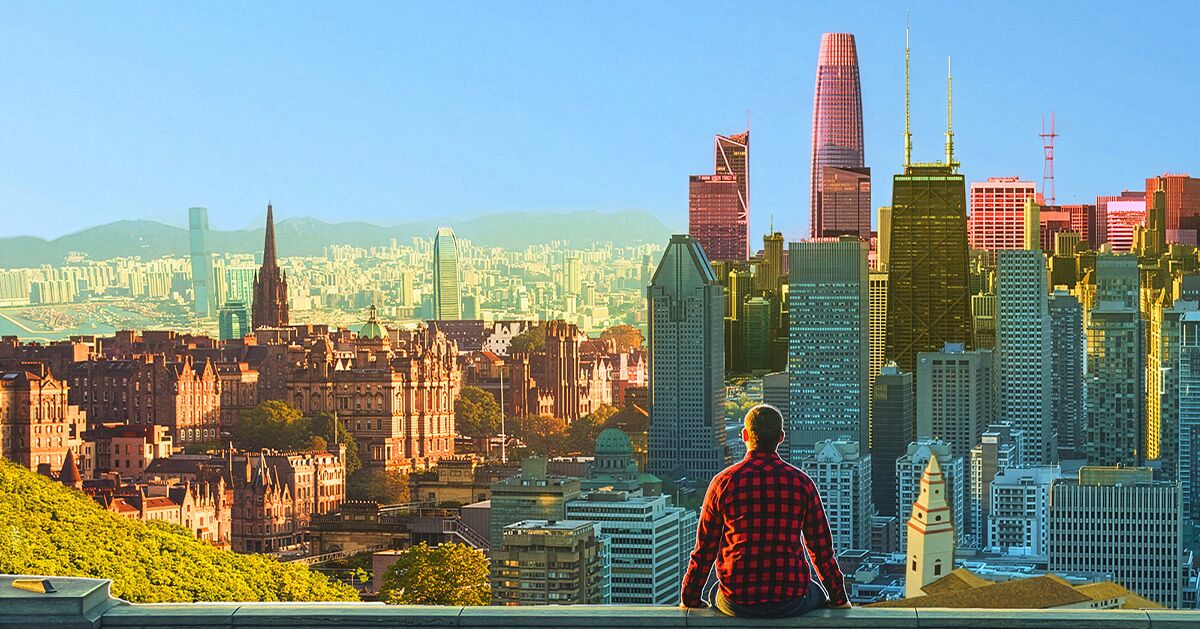
In today’s rapidly evolving global landscape, cities are no longer just geographic locations—they are powerful centers of culture, innovation, and opportunity. According to global insights and urban lifestyle research, the world’s leading cities are defined by their ability to combine livability, creativity, economic vitality, and cultural diversity.
This ranking highlights the Top 50 Best Cities in the World for 2026, reflecting not only infrastructure and development, but also the human experience—how people live, connect, and thrive within these urban environments.
The data draws from global perspectives, including local residents, cultural experts, and urban analysts, ensuring a well-rounded and realistic view of city life today.
🏙️ Global Top Cities Ranking

🌟 Top 10 Cities
- Melbourne
- Shanghai
- Edinburgh
- London
- New York
- Cape Town
- Mexico City
- Bangkok
- Seoul
- Tokyo
These cities stand out for their quality of life, cultural richness, global connectivity, and economic influence.
🌐 Key Trends Behind Global Cities

1. Urban Innovation
Leading cities are embracing technology and smart infrastructure. From AI-driven services to sustainable urban planning, innovation is shaping the future of city living.
2. Cultural Diversity
Cities like London, New York, and Singapore thrive because of their multicultural environments, offering diverse food, art, and perspectives.
3. Economic Opportunity
Top-ranked cities serve as global business hubs, attracting talent, investment, and international collaboration.
4. Lifestyle Quality
Modern urban residents value:
- Work-life balance
- Access to nature
- Social experiences
- Creative environments
🌏 Emerging Global Powerhouses
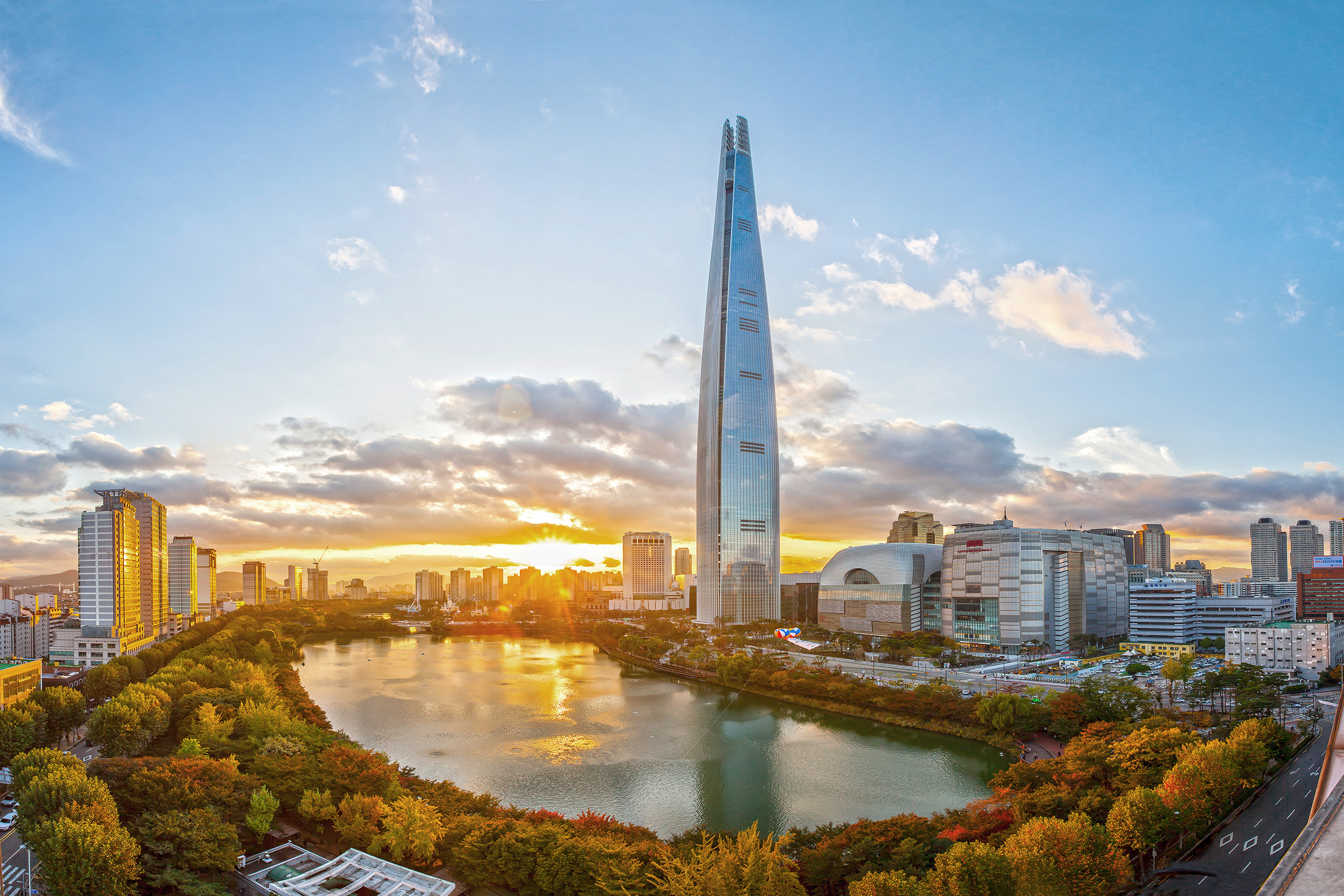
- Bangkok – vibrant lifestyle and affordability
- Seoul – technology and culture fusion
- Mexico City – creative energy and growth
- Cape Town – natural beauty + urban lifestyle
These cities reflect a shift toward a more balanced global urban ecosystem.
📊 Full Ranking (Top 25)
According to global urban evaluations :
- Melbourne
- Shanghai
- Edinburgh
- London
- New York
- Cape Town
- Mexico City
- Bangkok
- Seoul
- Tokyo
- Zürich
- Rio de Janeiro
- Copenhagen
- São Paulo
- Hong Kong
- Kraków
- Porto
- Guadalajara
- Madrid
- Valencia
- Sydney
- Paris
- Singapore
- Marrakech
- Hanoi
🧠 What Defines a Great City?

Key factors include:
- Connectivity and global accessibility
- Cultural vibrancy
- Economic opportunities
- Safety and sustainability
- Community and lifestyle
In the digital era, cities are also defined by how well they integrate technology, social interaction, and global identity.
🌍 Conclusion
The world’s best cities are evolving rapidly, shaped by innovation, diversity, and global interconnectedness. As urban life continues to transform, these cities will play a critical role in defining the future of human experience.
At the World Brand Organization, we view cities not only as economic centers but as global brands—symbols of trust, identity, and opportunity.

















Leave a Comment
Your email address will not be published. Required fields are marked with *