 World Brand
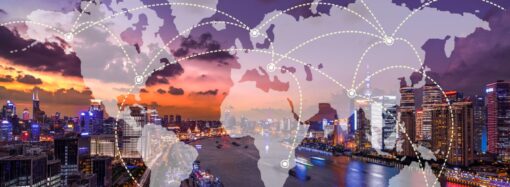
The 2026 World Famous Cities Development Index presents a comprehensive evaluation of 100 leading global cities based on six core dimensions: urban resilience, innovation vitality, cultural appeal, green development, governance effectiveness, and brand value. By integrating multiple indicators and forward-looking methodologies, the report offers a balanced perspective on urban competitiveness and highlights the key factors shaping the future of world-class cities.

📊 Overview
In 2026, the World Brand Organization (WBO) officially released the “World Famous Cities Development Report”, introducing a comprehensive and forward-looking evaluation system for global cities.
This report assesses 100 representative cities worldwide through a structured and data-driven methodology, aiming to redefine how urban excellence is measured in an era of globalization, digital transformation, and sustainable development.
Rather than relying solely on economic size or GDP, the index emphasizes a balanced, multidimensional perspective, integrating resilience, innovation, culture, sustainability, governance, and global brand value.
🏙️ Core Framework
The 2026 index is built upon a six-dimensional evaluation system, consisting of:
- 6 Primary Dimensions
- 18 Secondary Indicators
- 45 Tertiary Indicators
Each dimension reflects a critical aspect of modern urban competitiveness and long-term sustainability.

🔷 Six Key Dimensions of Evaluation
1. Urban Resilience (20%)
Urban resilience measures a city’s ability to withstand risks, adapt to crises, and maintain stability.
Key indicators include:
- Infrastructure safety and disaster resistance
- Public health emergency systems
- Supply chain security
- Energy and water stability
- Emergency response efficiency
👉 This dimension reflects how well a city can survive and recover in an uncertain world.
2. Innovation Vitality (20%)
Innovation is the driving force behind future cities.
This dimension evaluates:
- R&D investment intensity
- High-value patent output
- Density of tech enterprises and unicorn companies
- Talent inflow and structure
- Scientific infrastructure
👉 Cities with strong innovation ecosystems lead global competitiveness.
3. Cultural Appeal (15%)
Culture defines the identity and soul of a city.
Indicators include:
- Heritage protection and revitalization
- Cultural identity and recognition
- Creative industry vitality
- International cultural exchange
- City branding and cultural IP
👉 Cultural influence enhances global recognition and soft power.
4. Green & Low-Carbon Development (15%)
Sustainability is no longer optional—it is essential.
This dimension includes:
- Air quality and ecological environment
- Renewable energy adoption
- Green transportation systems
- Urban ecological planning
- Circular economy development
👉 Future cities must balance growth with environmental responsibility.
5. Governance Effectiveness (15%)
Efficient governance ensures a city’s order, fairness, and livability.
Evaluation focuses on:
- Digital government services
- Public service equality
- Rule of law and business environment
- Urban management quality
- Social inclusiveness
👉 Strong governance is the backbone of sustainable urban success.
6. Brand Value (15%)
City branding represents global recognition and influence.
Indicators include:
- International reputation
- Presence of global organizations
- Major events and exhibitions
- Tourism attractiveness
- Concentration of global enterprises
👉 A powerful city brand drives investment, talent, and global attention.

📐 Evaluation Principles
The index follows four core principles:
✔ Objective Quantification
Based on authoritative data, statistical indicators, and third-party sources.
✔ Balanced Development
Avoids GDP-only evaluation; emphasizes multi-dimensional coordination.
✔ Global Comparability
Applies international standards while respecting regional differences.
✔ Forward-Looking Perspective
Focuses on future trends such as sustainability, digitalization, and brand value.
🌐 Conclusion
The 2026 World Famous Cities Development Index represents a new paradigm in evaluating global cities.
It moves beyond traditional metrics and introduces a holistic framework that captures the complexity of modern urban systems.
In the future, cities that succeed will not only be economically strong, but also:
- Resilient in crisis
- Innovative in development
- Rich in culture
- Sustainable in growth
- Effective in governance
- Powerful in global branding
👉 This is the true definition of a world-class city in the 21st century.


















Leave a Comment
Your email address will not be published. Required fields are marked with *