World Brand


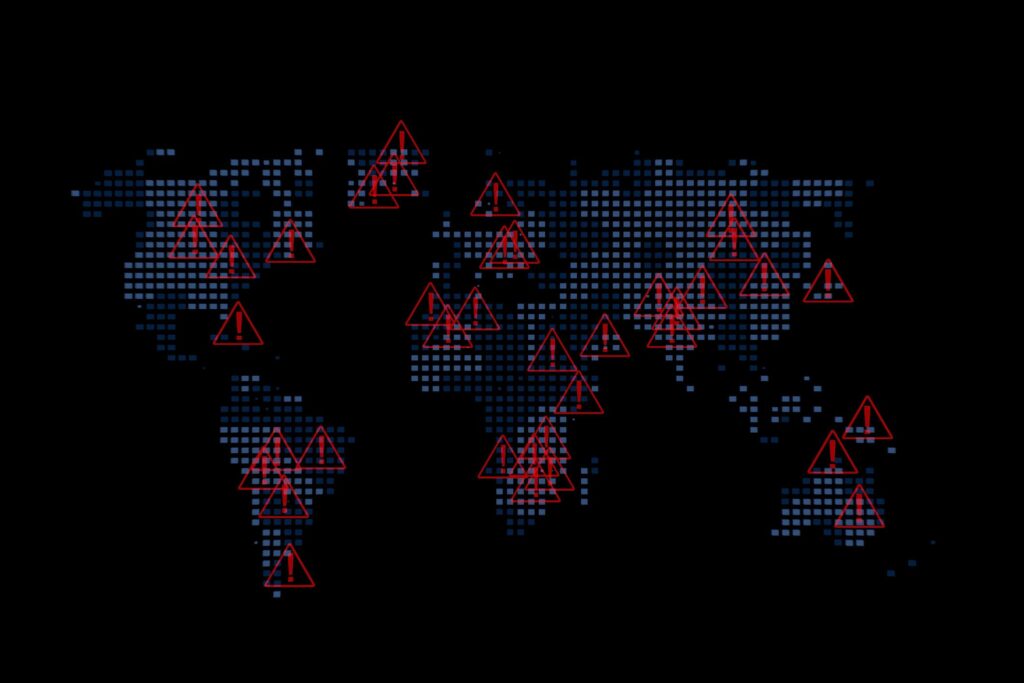
The Global Risk Report (2026) delivers a strategic analysis of global risk dynamics, examining how interconnected economic, technological, geopolitical, and environmental factors are shaping uncertainty and resilience worldwide.
Introduction
In an increasingly complex and interconnected world, global risks are becoming more dynamic and difficult to predict. Economic uncertainty, technological disruption, geopolitical tensions, and environmental challenges are reshaping the global landscape.
The Global Risk Report (2026) provides a comprehensive assessment of the most critical risks facing the global economy and offers insights into how organizations can navigate uncertainty and build resilience.
Key Risk Categories
1. Economic Risks
Global economic instability remains a major concern, driven by inflation, market volatility, and shifting capital flows.
2. Technological Risks
Rapid technological advancement introduces risks related to cybersecurity, data privacy, and system vulnerabilities.
3. Geopolitical Risks
Increasing geopolitical tensions and trade conflicts are impacting global supply chains and international cooperation.
4. Environmental Risks
Climate change, resource scarcity, and environmental degradation pose long-term challenges to global sustainability.
5. Social Risks
Inequality, demographic shifts, and workforce disruption are creating new social and economic pressures.
Top Global Risks (2026)
| Rank | Risk Category | Impact Level |
|---|---|---|
| 1 | Economic Instability | High |
| 2 | Cybersecurity Threats | High |
| 3 | Geopolitical Conflict | High |
| 4 | Climate Change | High |
| 5 | Supply Chain Disruption | Medium-High |
| 6 | Technological Disruption | Medium-High |
| 7 | Energy Crisis | Medium |
| 8 | Public Health Risks | Medium |
| 9 | Financial Market Volatility | Medium |
| 10 | Workforce Transformation | Medium |
Key Insights
1. Risks Are Increasingly Interconnected
Economic, technological, and geopolitical risks are no longer isolated—they interact and amplify each other.
2. Technology is Both Opportunity and Risk
While technology drives growth, it also introduces vulnerabilities that require strong governance.
3. Resilience is a Strategic Priority
Organizations must build resilience to adapt to uncertainty and disruption.
4. Global Cooperation is Essential
Addressing global risks requires collaboration across countries, industries, and institutions.
Strategic Implications
For governments, developing long-term strategies to manage risk is essential.
For businesses, risk management must be integrated into core strategy.
For investors, understanding global risks is critical for decision-making.
Conclusion
The global risk landscape in 2026 reflects a world of increasing complexity and uncertainty. Organizations that can anticipate, manage, and adapt to risks will be better positioned to succeed in the future.